IUCN Tech4Nature
Costa Rica Tech4Nature

Costa Rica

Country Overview

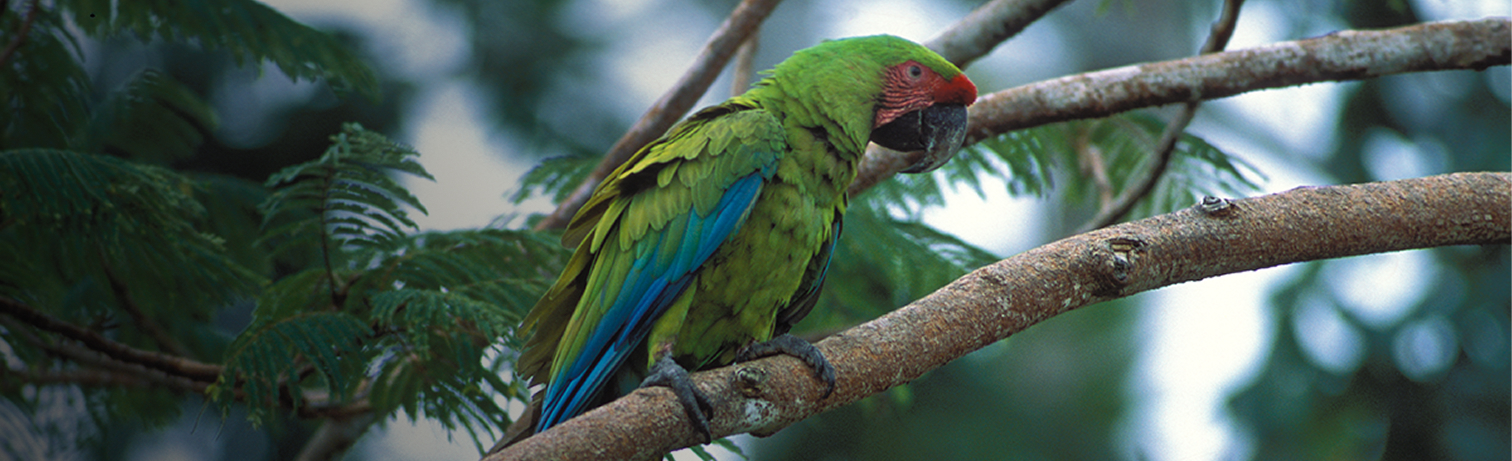
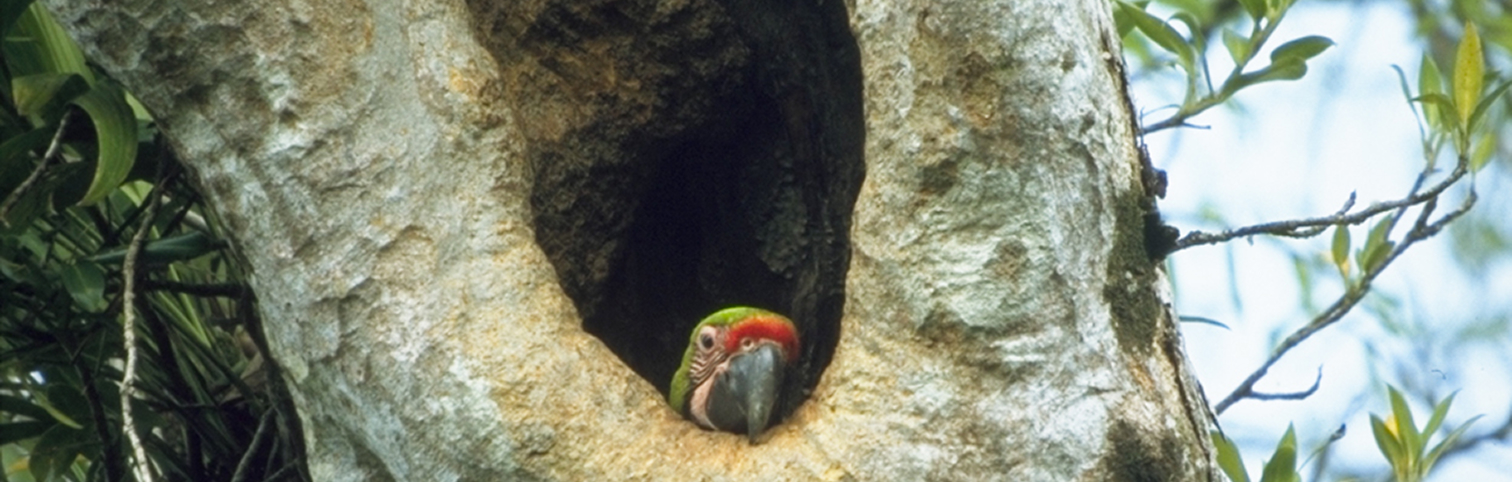
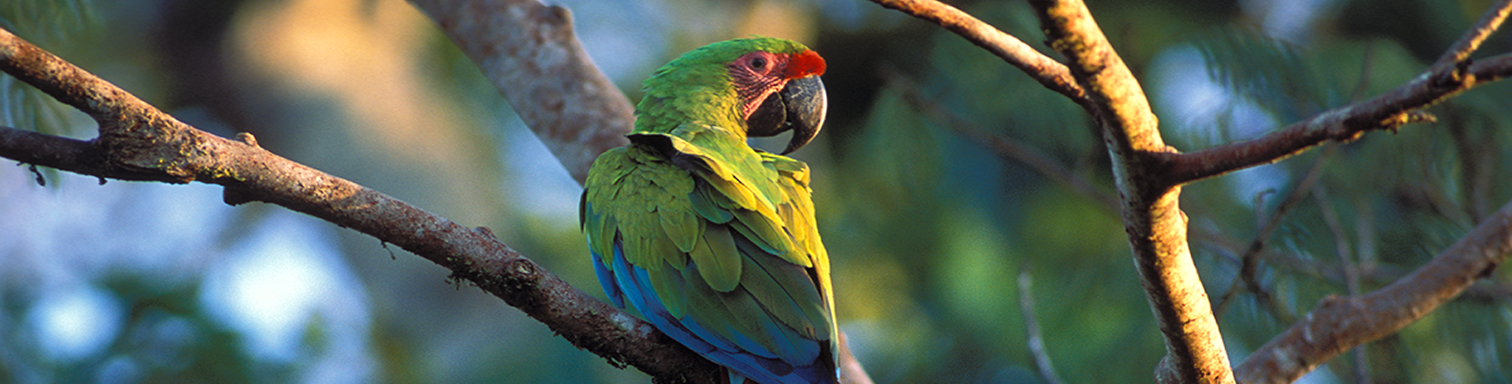
Costa Rica is globally recognized for its leadership in biodiversity conservation, with over a quarter of its territory under protected or conserved areas. The Caribbean lowlands are a stronghold for the endangered Great Green Macaw (Ara ambiguus), a flagship species whose survival depends on well managed protected areas and surrounding landscapes. Long-term conservation efforts have led to encouraging signs of population stabilization and local recovery. However, habitat availability remains a key limiting factor, with persistent knowledge gaps on movement patterns, seasonal habitat use, and reliance on specific tree species for feeding and nesting, which are critical to effectively target habitat restoration and tree planting efforts.

Local Partners

Costa Rica Country Tech4Nature

The Challenge

The Tech4Nature Costa Rica satellite is strengthening the conservation of the Great Green Macaw by enhancing species monitoring and informing habitat restoration and management actions through innovative technologies. The project is designing and testing digital solutions based on passive acoustic monitoring using AudioMoth devices in priority protected areas in Costa Rica’s Caribbean region, including Parque Nacional Tortuguero, Refugio de Vida Silvestre Barra del Colorado, as well as additional private and community managed reserves supported by the Macaw Recovery Network and the Tropical Science Center.

The Tech4Nature Solution

The Tech4Nature Costa Rica satellite focuses on protected areas within the Caribbean region that are strategically important for the conservation of the Great Green Macaw. Capacity building activities and Green List awareness will be delivered across the following sites:

  • Parque Nacional Tortuguero
  • Refugio de Vida Silvestre Barra del Colorado
  • Refugio de Vida Silvestre Maquenque

At least one of these protected areas will be prioritized for a full self-assessment using the IUCN Green List Standard, supporting site managers and key stakeholders to identify strengths, gaps, and concrete actions to improve management effectiveness and long-term conservation outcomes for the species and its habitat.

Great Green Macaw Conservation Landscape (Costa Rica)

PA category
Parque Nacional (IUCN Category II)
Site area
76,937 ha total (26,653 ha terrestrial; 50,284 ha marine)
Ecosystem type
Tropical humid and very humid forests; wetlands, rivers and canal systems; coastal and marine ecosystems
Species dependent on the site
Great Green Macaw (Ara ambiguus, Critically Endangered), West Indian manatee (Trichechus manatus, Vulnerable), jaguar (Panthera onca, Near Threatened), and four species of marine turtles: Green turtle (Chelonia mydas, Least Concern), Leatherback turtle (Dermochelys coriacea, Vulnerable), Hawksbill turtle (Eretmochelys imbricata, Critically Endangered), and Loggerhead turtle (Caretta caretta, Vulnerable).
IUCN Green List status
None

National Wildlife Refuge Barra del Colorado

PA category
National Wildlife Refuge (Refugio Nacional de Vida Silvestre Mixto) (IUCN Category VI)
Site area
81,177 ha (terrestrial)
Ecosystem type
Lowland tropical rainforest; wetlands, rivers, lagoons, flooded forests, coastal ecosystems, and forested hills
Species dependent on the site
Great Green Macaw (Ara ambiguus, Critically Endangered), West Indian manatee (Trichechus manatus, Vulnerable), jaguar (Panthera onca, Near Threatened), Baird’s tapir (Tapirus bairdii, Endangered), and diverse aquatic species.
IUCN Green List status
None

National Wildlife Refuge Maquenque

PA category
National Wildlife Refuge (Refugio Nacional de Vida Silvestre Mixto) (IUCN Category VI)
Site area
51,855 ha
Ecosystem type
Tropical humid to very humid forests; wetlands, floodplains, rivers, lagoons, and forested hills
Species dependent on the site
Great Green Macaw (Ara ambiguus, Critically Endangered), West Indian manatee (Trichechus manatus, Vulnerable), jaguar (Panthera onca, Near Threatened), gaspar fish (Atractosteus tropicus, Least Concern), and almendro tree (Dipteryx panamensis, Vulnerable).
IUCN Green List status
None

Project Objectives

Expected Impact

The Tech4Nature Costa Rica satellite applies a technology driven approach to support the long-term conservation of the Great Green Macaw through enhanced species monitoring and spatial analysis. The project deploys passive acoustic monitoring using AudioMoth devices installed at strategically selected locations across key landscapes within the species’ range. These devices continuously record environmental soundscapes, enabling the detection of Great Green Macaw vocalizations across different seasons and habitat types.

Acoustic data are processed using artificial intelligence-based algorithms to efficiently identify species specific signals and manage large volumes of recordings. Confirmed detections are integrated with geographic information systems (GIS) and complementary spatial datasets to generate maps and analytical outputs describing patterns of presence, activity, and habitat use throughout the year.

This technology pipeline enables the identification of critical sites for the species at different stages of its annual cycle, including key nesting areas during the breeding season and important roosting or movement areas during migratory periods. By revealing temporal and spatial patterns that are difficult to capture through conventional field methods, the project supports the refinement of habitat models and the prioritisation of areas for conservation and restoration. Overall, the initiative demonstrates how scalable, cost-effective digital technologies can strengthen ecological knowledge and inform evidence-based conservation actions for threatened species.