The Tech4Nature Spanish flagship is developing tailored technological solutions to inform strengthened visitor management in protected areas.
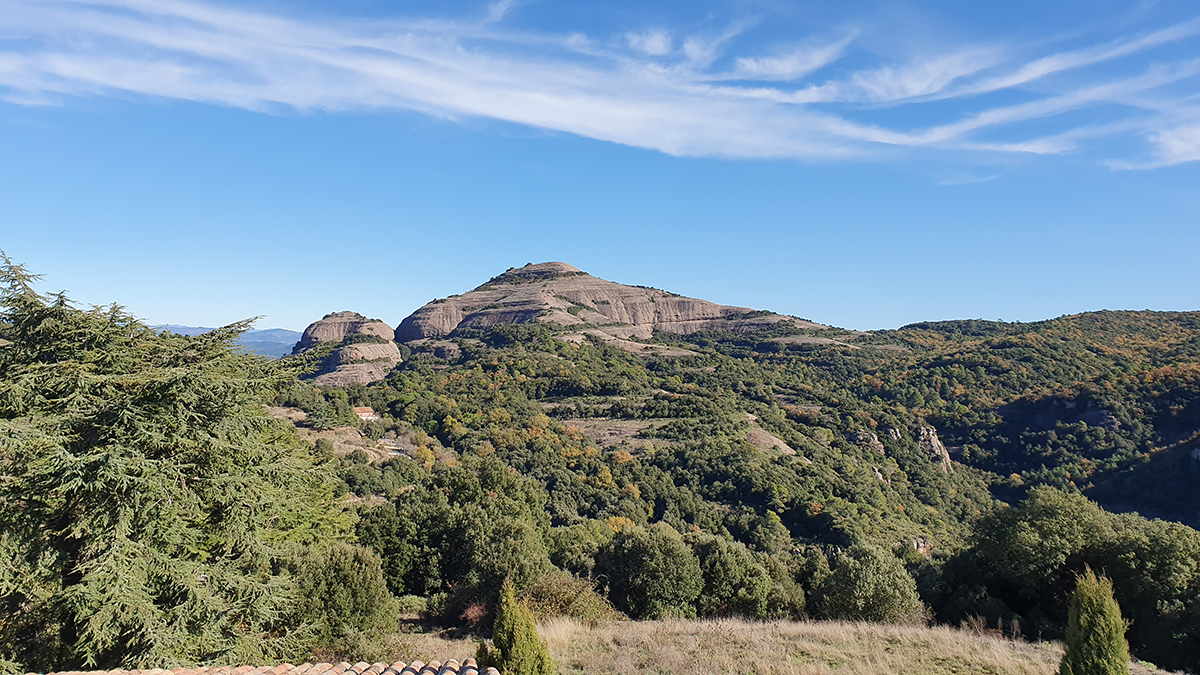
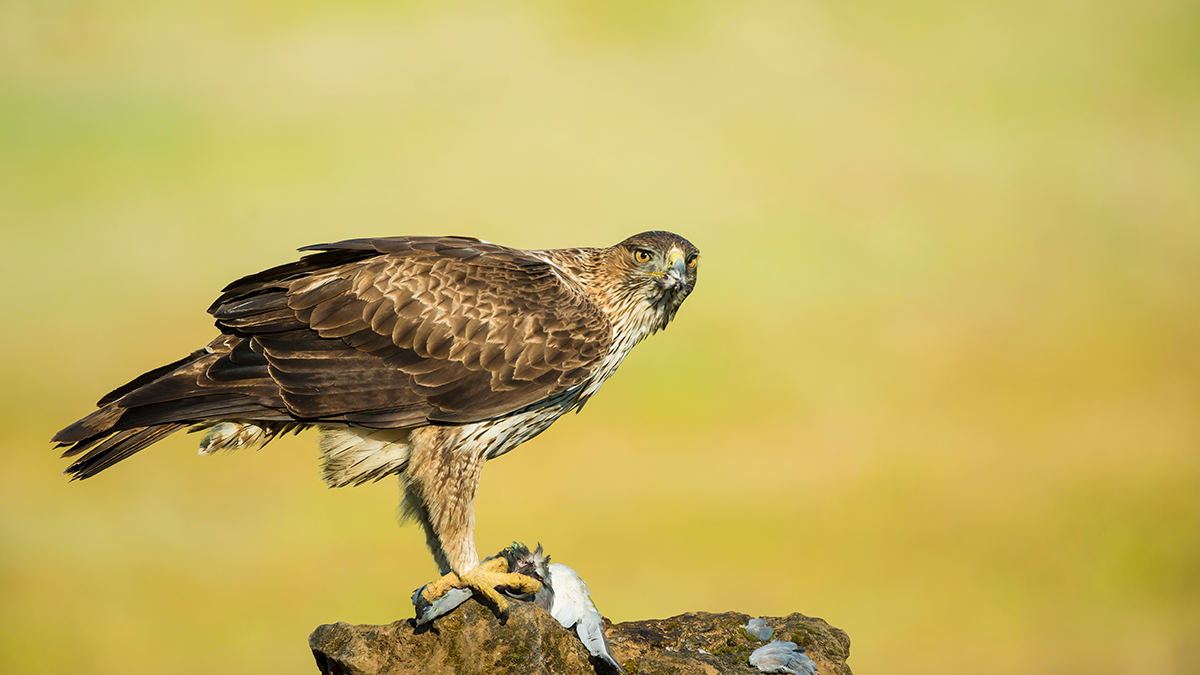
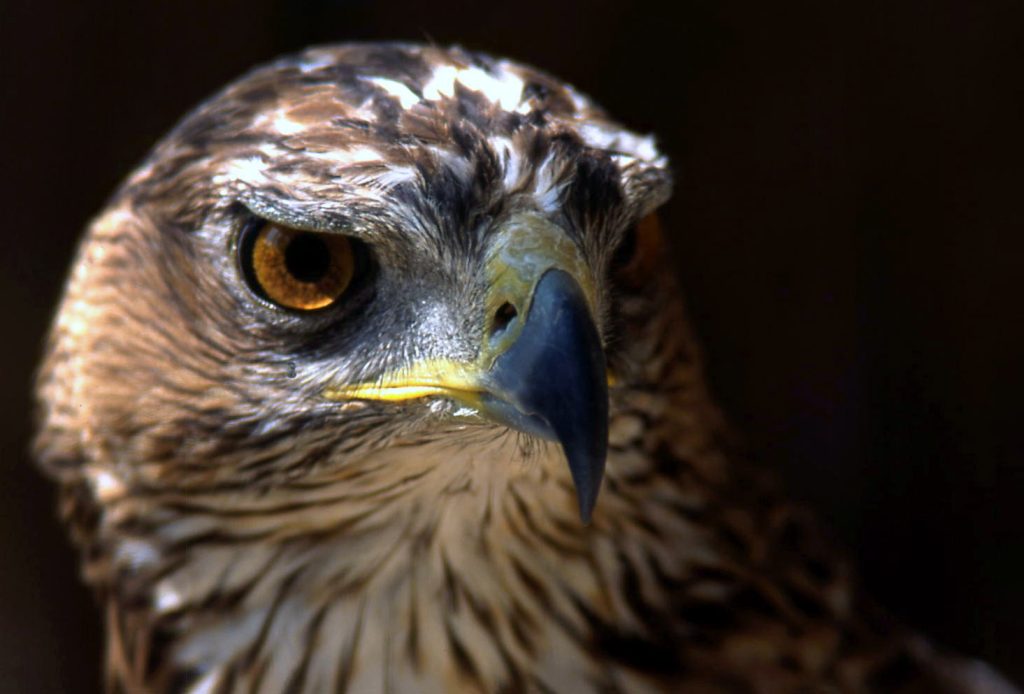
During its first phase (2021-2024), Sant Llorenç del Munt i l’Obac, was selected as the Flagship’s pilot site. The aim was to improve the monitoring of a breeding pair of the endangered Bonelli’s eagles while monitoring the impact of visitor practices on the species’ behaviour. A technological setup was developed, consisting of three cameras with microphones, two GPS trackers and a software equipped with metrics and alerts.
The second phase of Tech4Nature Spain (2024-2026) is building on the efforts of Phase I to continue improving conservation and visitor management in Spanish protected areas. In this new phase, the project is testing experimental low-cost tech solutions for visitor-wildlife monitoring in two protected areas:
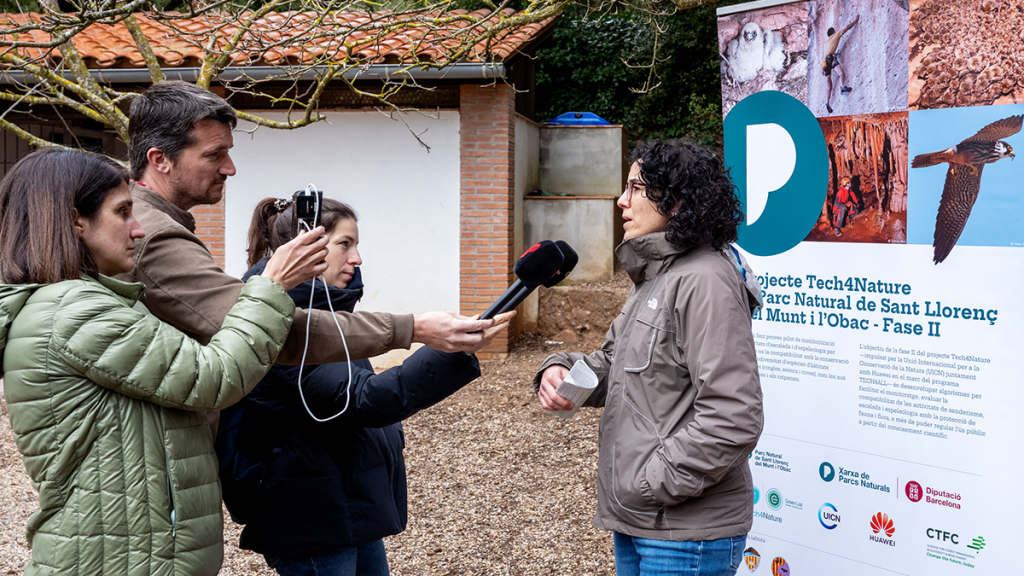
- In Sant Llorenç del Munt i l’Obac, alongside completing the experimental technological solution of Phase I, Phase II is testing a suite of light sensors, acoustic recorders, and AI-powered camera-traps to monitor rock climbing and cave exploration activities and how these impact rock-dwelling birds and bat colonies.
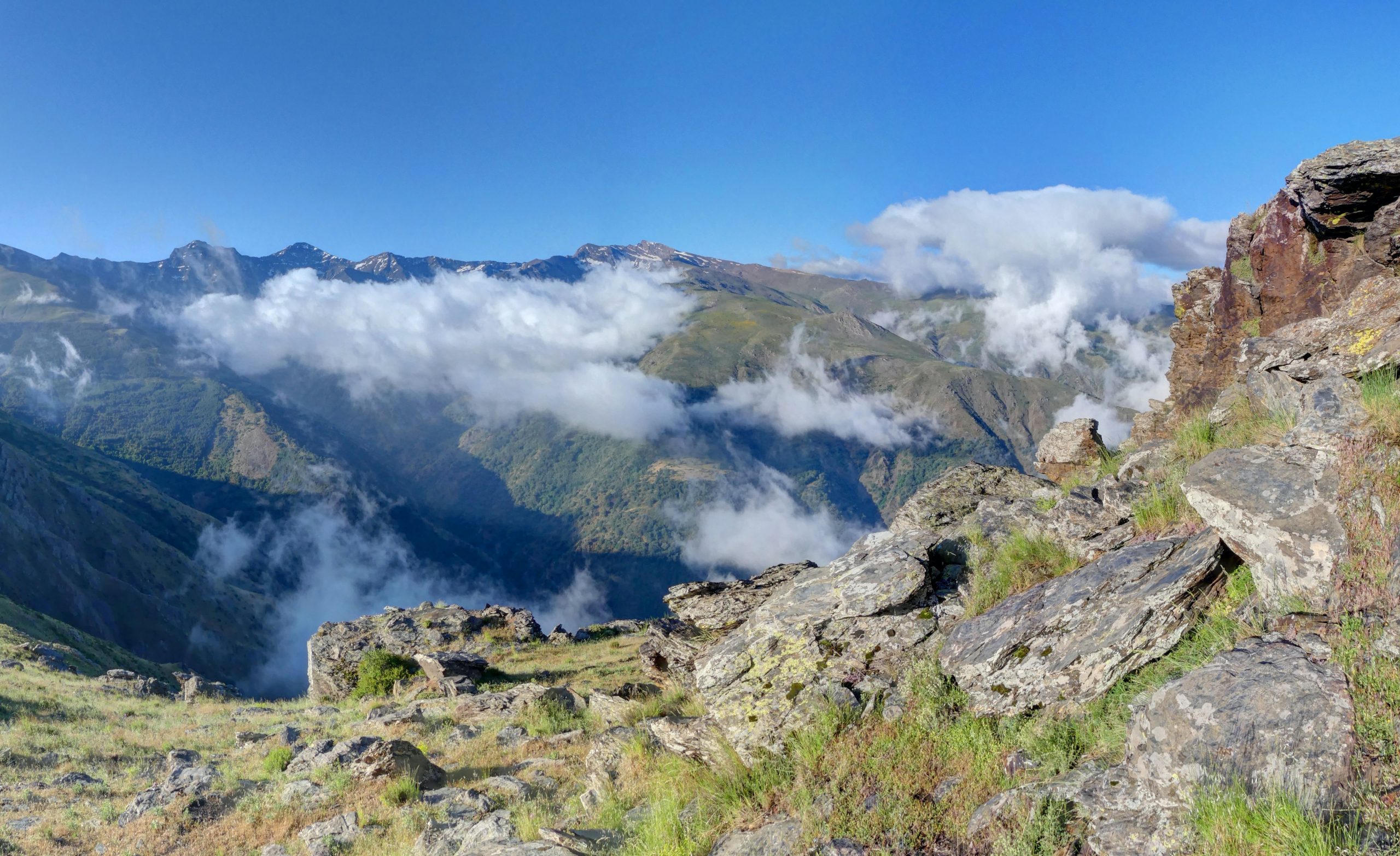
- In Sierra Nevada, camera traps and autonomous acoustic recorders are being deployed to understand visitor behaviours in delicate high‑mountain wet meadows ecosystems. AI is being trained to distinguish people from wildlife, track movement patterns, and even detect illegal camping.
Since these solutions may collect personal data—such as images and audio recordings—it is essential to ensure compliance with legal requirements and ethical standards. The project has conducted a study on the legal and ethical implications of visitor-wildlife monitoring technologies, which will be synthesised into practical guidelines for practitioners.